The CONNEXUS Black Sea Technology Forum focused on artificial intelligence, technological sovereignty, the security of critical and maritime infrastructure, and Europe’s need to turn strategies into tangible investments and innovation.
Varna, 7 October 2026 – How can the Black Sea region, with Varna at its centre, become an important part of the European AI economy rather than merely a consumer of technology? How can Europe leverage its geographical, industrial and scientific advantages to strengthen its competitiveness and security? These questions were at the heart of the first edition of the Black Sea Technology Forum, held in Varna from 5 to 7 October.
The forum brought together representatives of European institutions, governments, the diplomatic corps, business, academia and the technology sector. The Applied Research and Communications Fund (ARC Fund) was among the main organisers, alongside ICT Cluster Varna, the Municipality of Varna, the Executive Agency for the Promotion of Small and Medium-sized Enterprises and BRAIN++. The event also involved the Bulgarian-Dutch Chamber of Commerce, the Bulgarian-Romanian Chamber of Commerce, the British-Bulgarian Chamber of Commerce, the German-Bulgarian Chamber of Industry and Commerce, the Odesa Regional Chamber of Commerce and Industry, Marine Cluster Bulgaria and BASSCOM. The forum was held under the patronage of Bulgarian President Iliana Iotova.
From the AI Race to Building European Capabilities
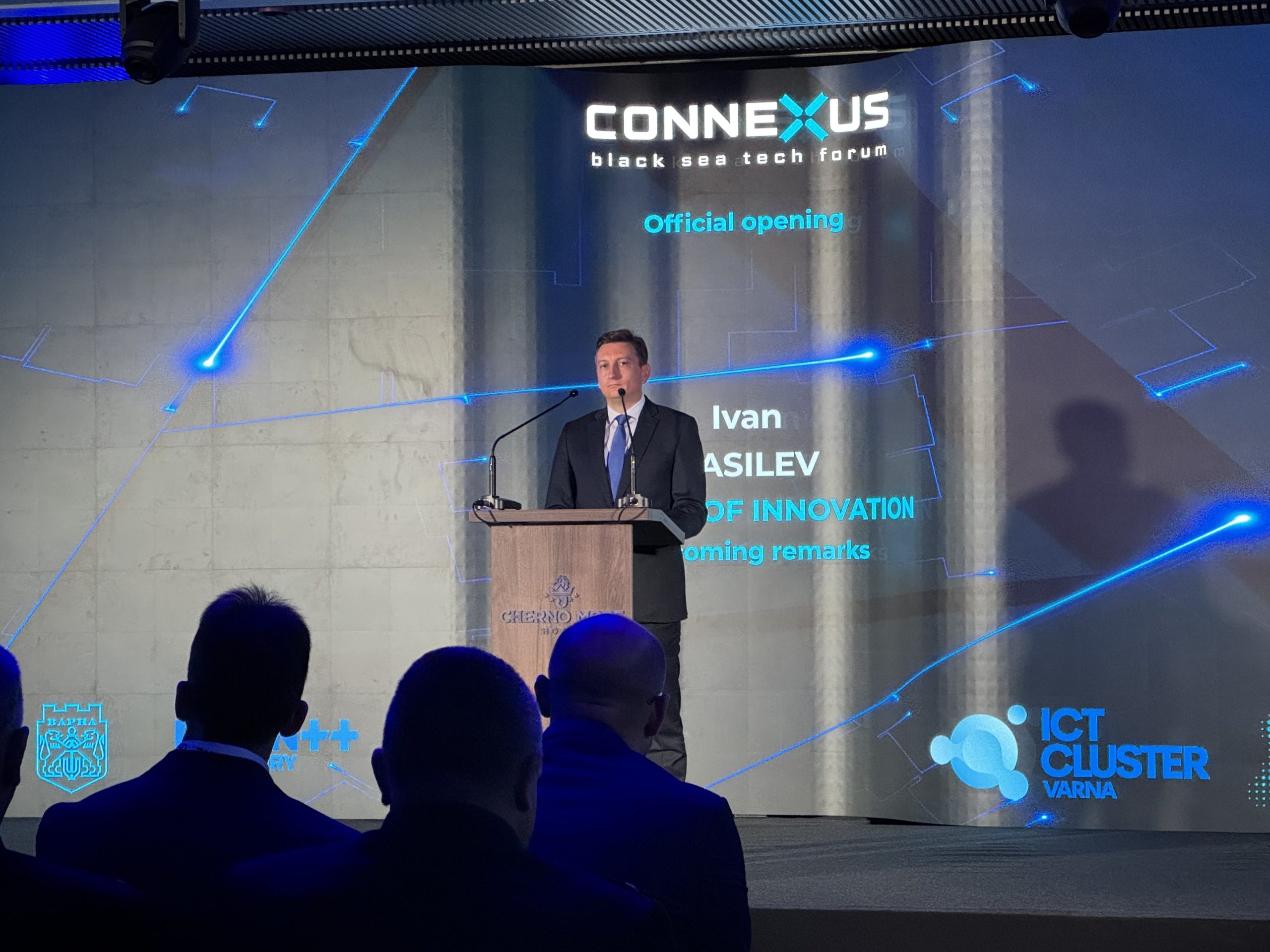
During the opening discussion, Emil Tsankov, Chairman of ICT Cluster Varna, highlighted the need for a distinct European approach to the global race for artificial intelligence. “In Varna, in Bulgaria, in Europe, we need to find a new way to participate in the AI race – our own way. This race is unfolding amid a perfect storm, and we must learn how to navigate it,” he said.
Ivan Vasilev, Minister of Innovation and Digital Transformation, stressed that while technology knows no borders, institutions and people remain constrained by the way they make decisions, finance ideas and implement initiatives. He raised the central question of the forum: will the Black Sea region become an important part of Europe’s AI innovation ecosystem, or will it remain merely a consumer of AI.
The Minister announced that the government was developing a new national model for knowledge and technology transfer, comprising a coordinating centre and a decentralised network of technology transfer offices within research and innovation institutions. He also noted that Bulgaria is home to BRAIN++, one of the European Union’s six new AI factories, backed by an investment of €90 million and equipped with a new supercomputer.
Ethical AI, he argued, is not an obstacle to making interactions between the state, citizens and businesses “easy, fast and convenient”, but a prerequisite for achieving that goal.
Vasilev identified retaining and attracting talent back to Bulgaria as a key test of the success of innovation policies. He also placed public procurement at the centre of innovation policy, citing data from June 2026 showing that more than 30% of awarded public contracts in the country had attracted only one bidder.
“Public demand is the largest market for technology companies in this country. If that market is closed, no subsidy can compensate for it. If it is open, it becomes an innovation programme that costs nothing extra,” he said.
In her special address, President Iliana Iotova identified quantum technologies, semiconductors and cybersecurity as increasingly important determinants of regional competitiveness. Technological sovereignty, she argued, would strengthen Europe’s ability to develop, produce and deploy the critical technologies on which its economies depend.
She noted that the Black Sea region’s historic role as a key corridor for the movement of talent, capital and ideas is now being complemented by technological connectivity. Varna, she added, has the potential to become a hub for the development of AI products and services.

Geography as a Competitive Advantage
During a discussion on the region’s future, Lars Frølund, lecturer at MIT and former strategic adviser to NATO’s Innovation Fund, explained that geography is becoming increasingly important in the new economic security landscape. For Varna, this means turning its location and access to the Black Sea into knowledge, investment and innovative products that build on the region’s specific strengths.
Svetoslava Georgieva, Chair of the Board of the European Innovation Council Fund, emphasised Varna’s international connectivity and the need to integrate the city more closely with global technology and industrial players.
At the same time, discussions highlighted the need to translate European funding more effectively into tangible technological outcomes. Neven Dilkov of Neterra pointed out that Europe has substantial resources available through public budgets, but the key question remains whether Member States are making effective use of them.

Europe as a Place to Do Business: Regulation, Talent and Allies
One of the forum’s more unexpected themes was the private sector’s positive assessment of Europe as a business destination. Participants shared the view that the European Union offers favourable conditions for doing business, with predictable regulation, a large single market and access to talent. The challenge is to combine these advantages with strong links to technology leaders and allies – the United States, Japan and South Korea – through integration into secure supply chains.
Three growth markets emerged in which the region has a contribution to make: artificial intelligence and its industrial applications; rising defence expenditure in Europe and the associated opportunities for dual-use innovation; and green technologies that reduce harmful emissions and support reindustrialisation.
The Black Sea as a Space for Economic and Physical Security
The region’s geostrategic importance was also a focus of discussions involving diplomatic representatives from France, Belgium and the Netherlands.
Belgian Ambassador Paul Lambert described the Black Sea region as a key link between the EU, the Caucasus and Central Asia. Realising its economic potential, however, requires investment in defence and in the protection of maritime navigation and critical infrastructure.
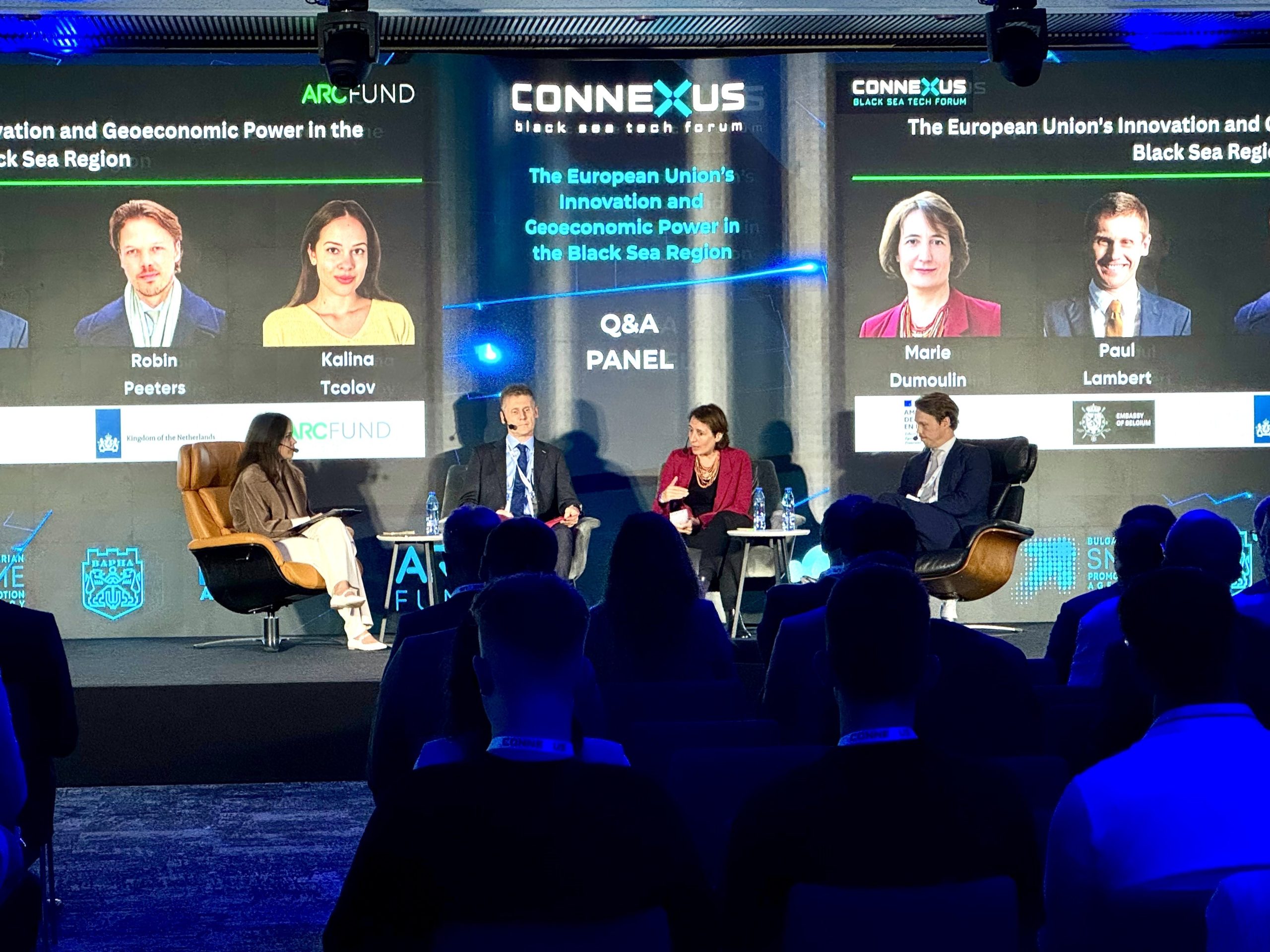
French Ambassador Marine Dumoulin offered a concrete example of the interdependence of European economies: a disruption to the operations of a port immediately affects transport, trade and food security in often distant regions of other continents.
According to Robin Peeters, Deputy Head of Mission at the Embassy of the Netherlands, strengthening maritime security in the Black Sea must be a shared European responsibility. Local solutions, he stressed, require effective governance and coordination among the public sector, businesses and other stakeholders.
These discussions took place against the backdrop of Russia’s aggression against Ukraine and attacks on commercial and civilian vessels in the Black Sea. This has made security – both cyber and maritime – a prerequisite for investment in the region.
Digital and Technological Connectivity
The development of digital public infrastructure was among the key themes discussed by leading institutional and business representatives from the region.
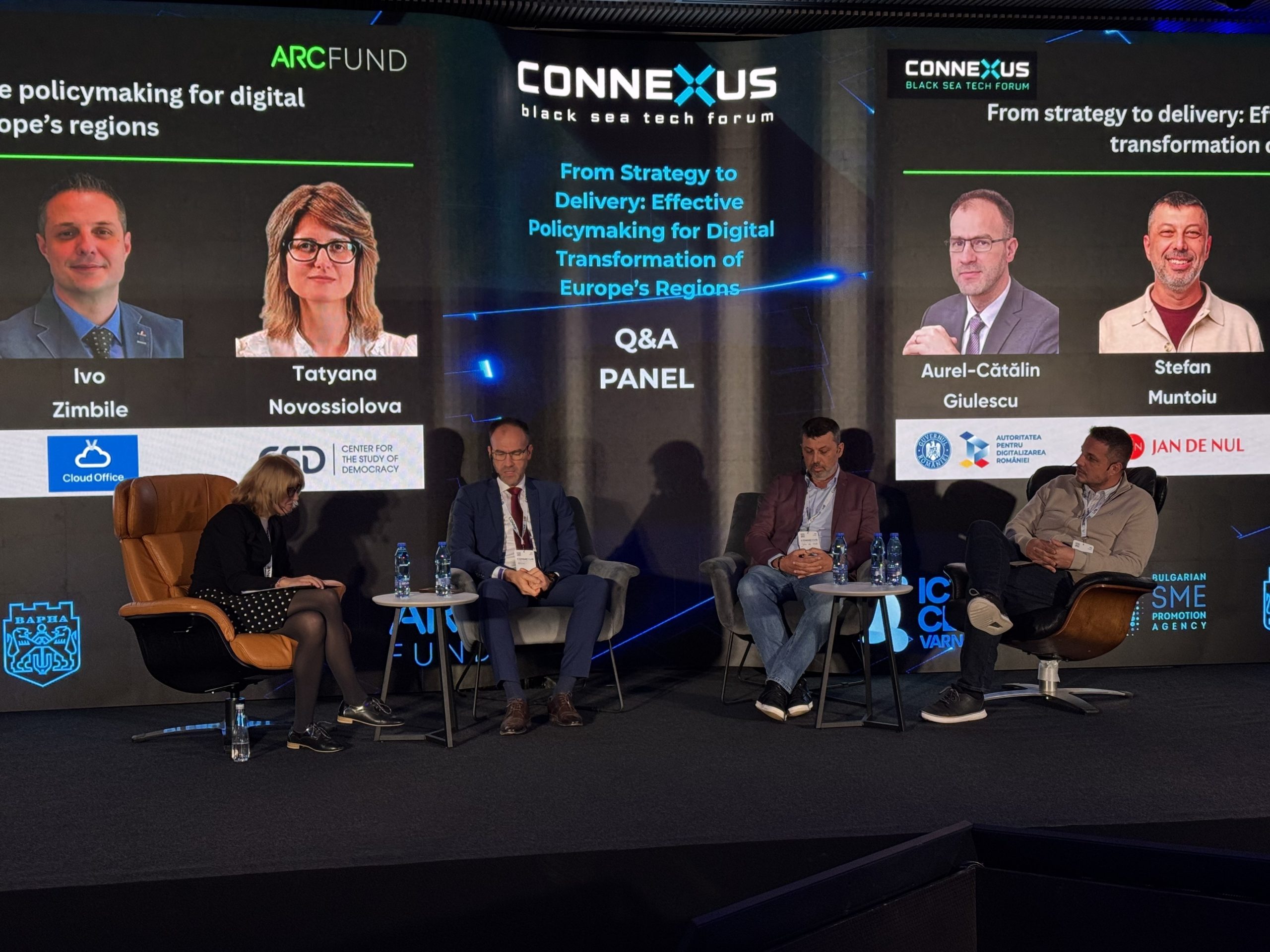
Stefan Muntoiu, Business Development Manager at Jan De Nul Group, stressed the importance of digitalising the Middle Corridor to ensure effective connectivity between Europe and Central and East Asia.
Ivo Zimbilev, CEO of Cloud Office, addressed the conditions needed to develop competitive digital solutions in Bulgaria and highlighted the significant need to build new digital skills.
Aurel-Cătălin Giulescu, President of Romania’s Authority for the Digitalisation of Romania, outlined the challenges involved in deploying large-scale digital public infrastructure.
The discussion also highlighted opportunities for future cross-border cooperation between Varna and Constanța, including joint digital projects connecting the EU’s two largest Black Sea ports.
Cyber Resilience Starts with Trust and Practical Capabilities
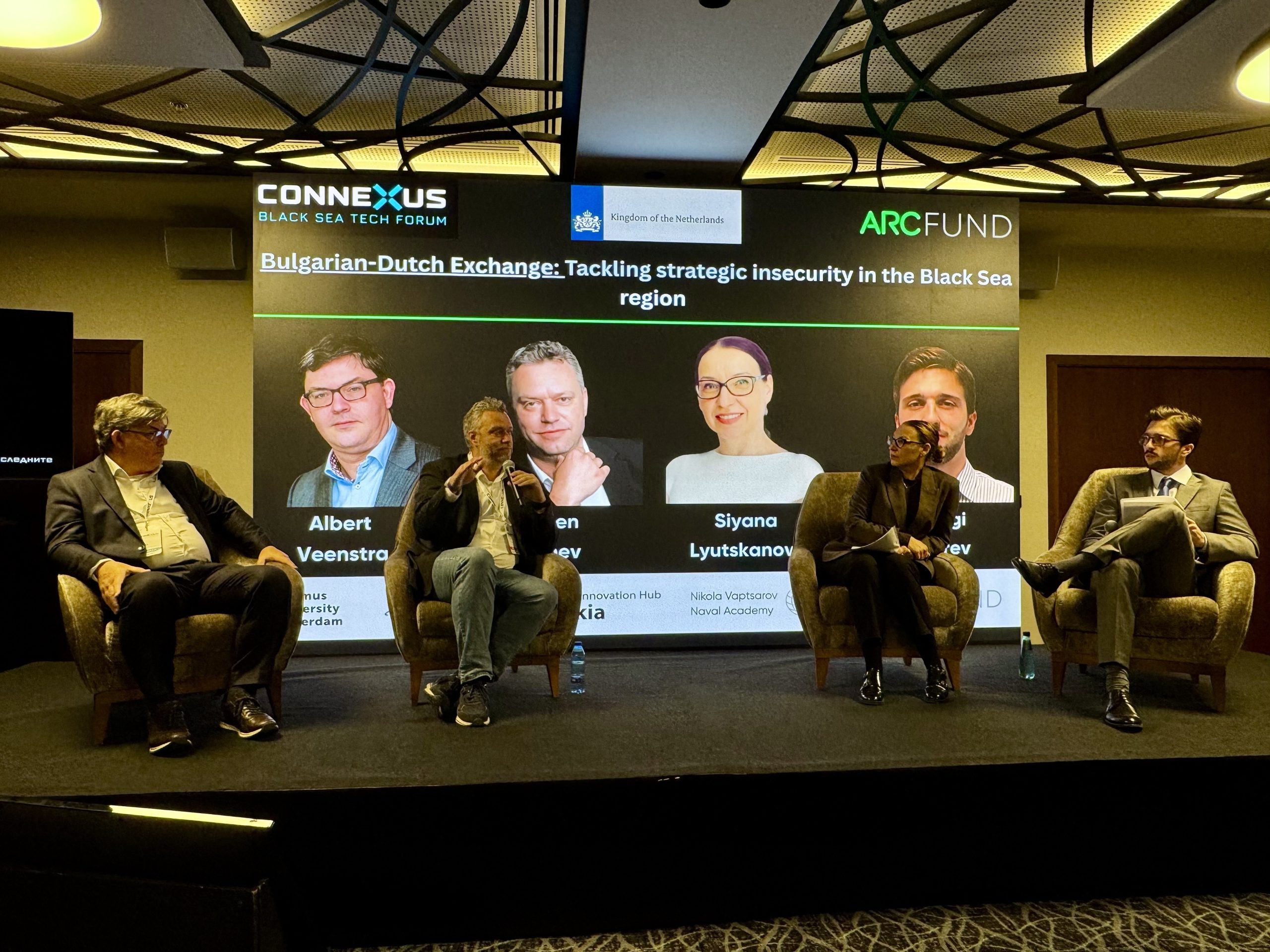
The second day of the forum was dedicated to a special Bulgarian-Dutch exchange, organised with the support of the Embassy of the Kingdom of the Netherlands in Bulgaria. Discussions focused on the practical dimensions of cybersecurity, the protection of critical infrastructure, and the development of resilient technological and industrial ecosystems.
Jeroen van Hertum, a member of the Board of the Bulgarian-Dutch Chamber of Commerce, stressed that effective cybersecurity cooperation starts with awareness, trust and clear communication channels. Companies need to know whom to contact when they identify a vulnerability and must be confident that reporting it will not expose them to unnecessary legal or regulatory consequences.
Professor Albert Veenstra of Erasmus University Rotterdam shared the Dutch experience in building collective resilience across port ecosystems. While individual companies increasingly recognise the need to strengthen their own cybersecurity, he noted, protecting the entire ecosystem remains a more complex challenge.
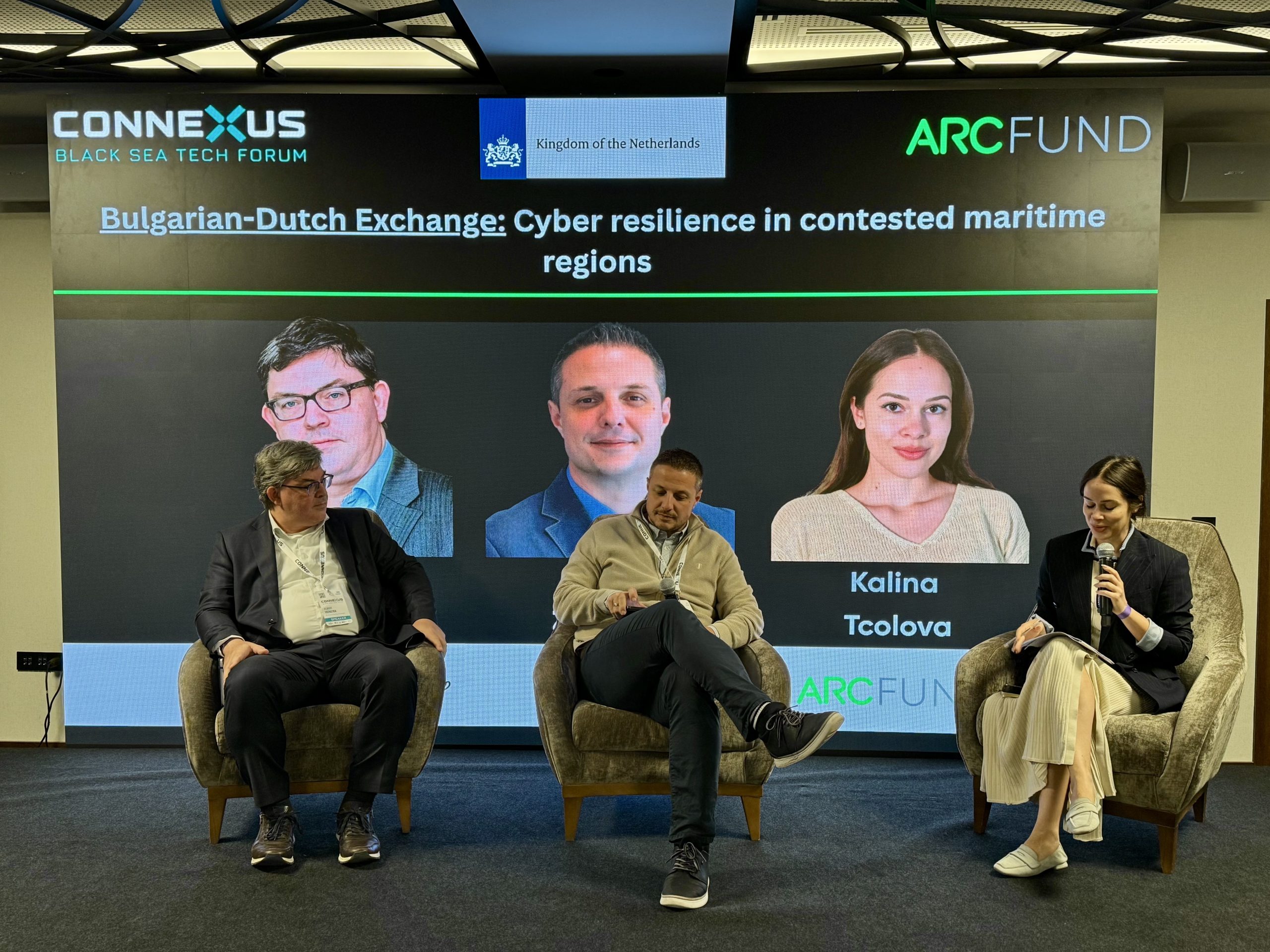 Martijn Leijten, professor at Delft University of Technology, discussed the importance of resilient, scalable and affordable solutions capable of reliably protecting critical infrastructure under sustained pressure. This requires an innovation model in which success is measured not simply by the number of products delivered, but by the quality of the services provided. He emphasised that effective solutions do not always have to be complex or expensive. What matters is whether proven approaches can be adapted and applied to local needs and circumstances.
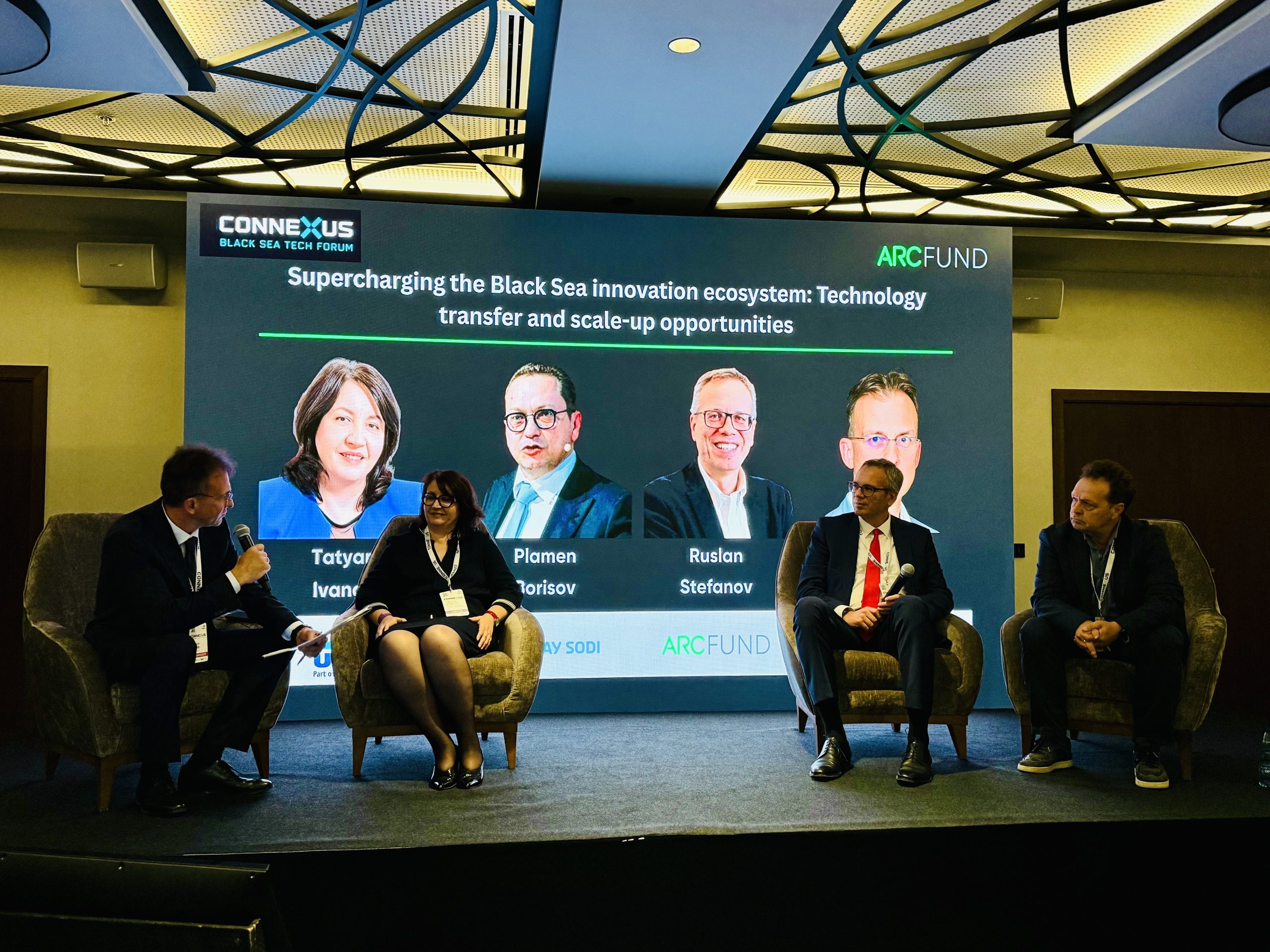
 Kiril Kirilov of BRAIN++ focused on protecting critical computing infrastructure and AI systems, stressing that security begins with physical infrastructure, networks and data. Ivo Zimbilev, CEO of Cloud Office, examined the dependence of modern critical infrastructure on cloud, digital and information services, as well as the need for organisations to move from reactive to more proactive protection against emerging threats.
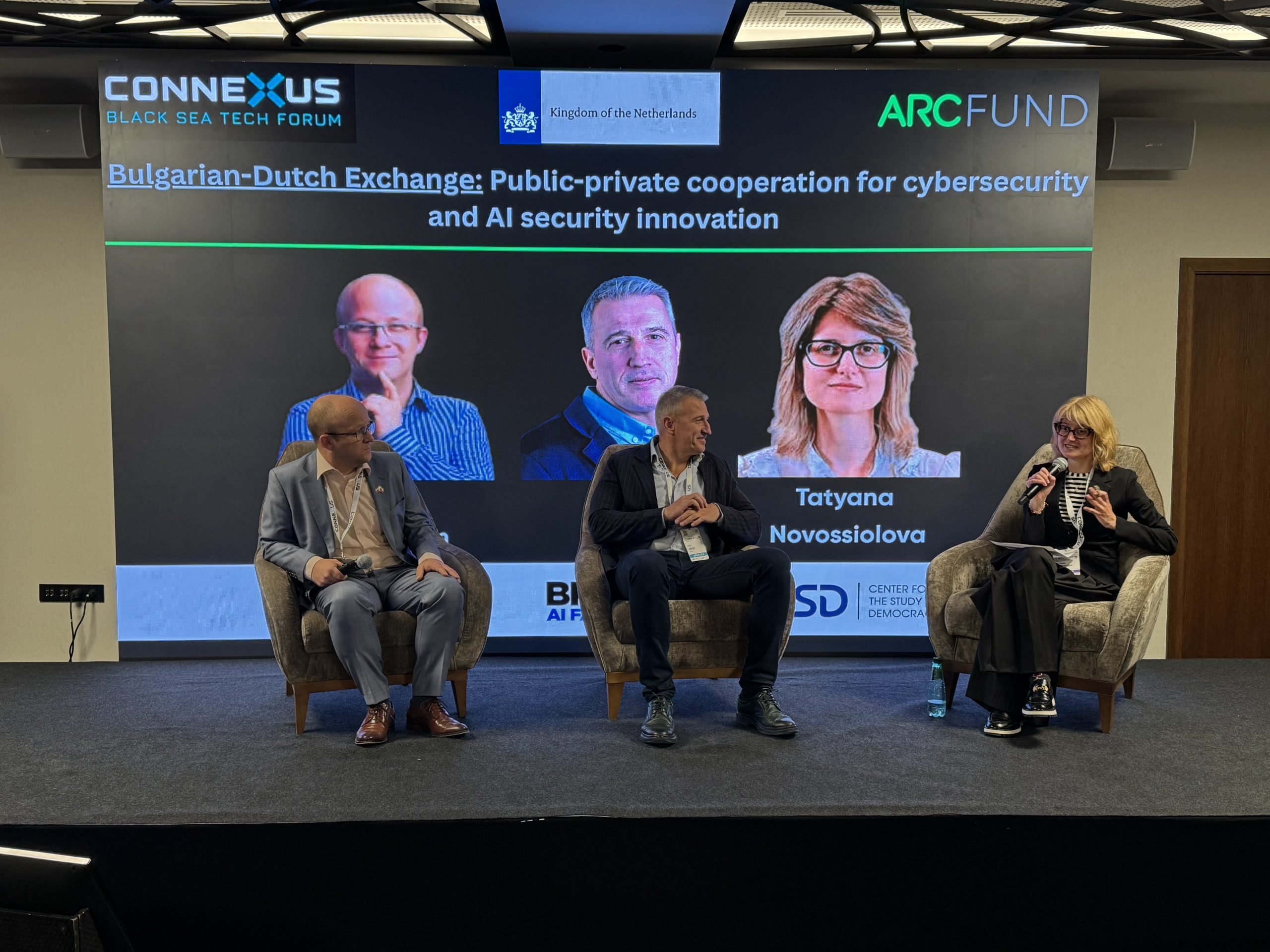
The Bulgarian-Dutch exchange thus highlighted the need for practical solutions, shared responsibility and closer cooperation between institutions, businesses and the technology sector to build resilient critical infrastructure.
From Technology to Tangible Value
Discussions on AI and technology adoption showed that Europe’s challenge is no longer simply to develop technologies, but to turn them into solutions that work in practice.
Business representatives emphasised the importance of high-quality data, clear organisational strategies and well-defined business cases. Tatiana Ivanova, Chief Innovation Officer for KBC Bulgaria, stressed that AI adoption must focus on the customer and the problem the technology is intended to solve, rather than on the technology itself.
Ruslan Stefanov, Director of Strategy and Innovation at the Applied Research and Communications Fund, discussed dual-use technologies as a promising niche for European investment. In his view, the accelerated development of defence technologies in Europe in response to Russia’s aggression against Ukraine is creating opportunities for their application in civilian sectors as well.
In the concluding discussions, participants agreed on the need for active measures to overcome social and technological divides, develop talent and build a competitive innovation ecosystem.
The forum also established a timeline for turning these discussions into action. Bulgaria is participating in the Massachusetts Institute of Technology’s Regional Entrepreneurship Acceleration Programme (MIT REAP), and the country will host the programme’s global cohort in late January 2027.
MIT REAP distinguishes between innovation capacity – science, technology and research – and entrepreneurial capacity, meaning the ability to turn these assets into companies that grow. Discussions in Varna suggested that the Black Sea region’s shortfall lies primarily in the latter. Addressing it requires effective rules, access to markets and patience, rather than simply additional funding.
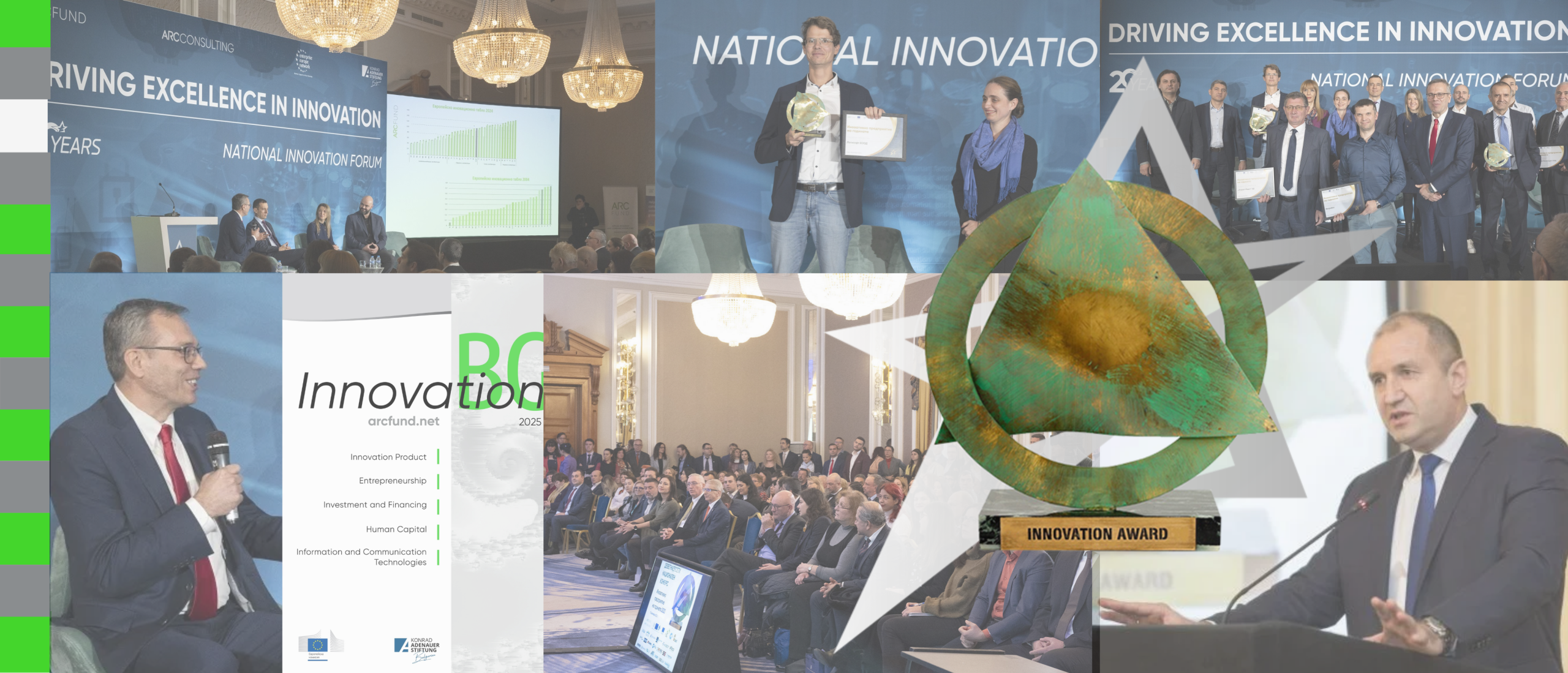
The 22nd National Innovation Forum 2027 will also take place during the same period. The event will mark 20 years of Bulgaria’s EU membership and feature the anniversary edition of the Innovation.bg annual report, published by the Applied Research and Communications Fund and dedicated to two decades of Bulgaria’s membership in the EU. It will provide an opportunity to take stock of the first steps towards implementing the priorities agreed in Varna.
The three days of CONNEXUS pointed towards a common direction: the Black Sea region has the geographical, technological and human foundations to play a more significant role in the European economy. Realising this potential, however, will require connectivity, investment, security and the ability to turn innovation into tangible products and services.