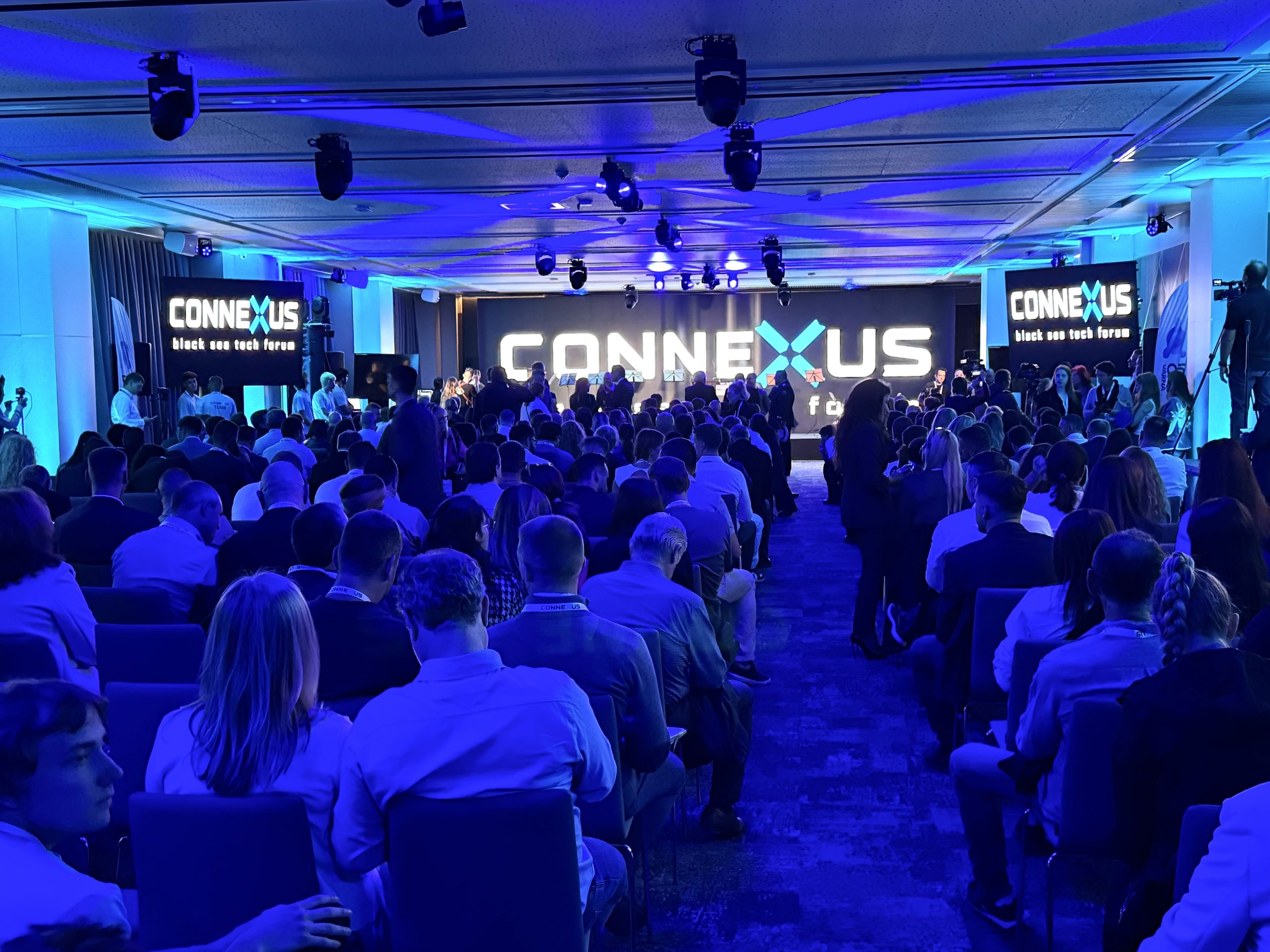
On 2 June 2026, experts, policymakers, and key stakeholders gathered to reflect on the legacy of the SYNCLUSIVE initiative and explore the future potential of its ENGINE model. Focused on strengthening the labour market inclusion of people aged 50 and above, participants examined both the opportunities and challenges associated with coalition building, monitoring mechanisms, employer engagement, upskilling, and workforce activation initiatives.
SYNCLUSIVE aimed to improve labour market outcomes for individuals aged 50+ by providing targeted training opportunities for both jobseekers and employees. The event succeeding this initiative featured parallel discussion sessions designed to encourage knowledge exchange among stakeholders and foster a comprehensive understanding of the conditions required to support vulnerable groups in Bulgaria’s labour market.
The discussions resulted in several key conclusions:
- Strong collaboration among relevant stakeholders is essential for providing effective support to vulnerable jobseekers and employees. Successful cooperation depends on clear and consistent communication between all parties, including jobseekers, employers, local authorities, education providers, and employment services.
- The Employment Agency should take a more proactive role in raising awareness of available education, training, and upskilling opportunities among both jobseekers and employees.
- Preventive measures targeting younger generations are needed to reduce future vulnerabilities among workers aged 50+, particularly in areas such as digital literacy and lifelong learning.
- Tailored, individualised support that takes into account each person’s specific circumstances, skills, and needs can significantly improve long-term employment outcomes and working conditions.
- Education and training programmes should place greater emphasis on transferable and soft skills that enhance employability across sectors and occupations.
- Digital and language skills remain critical components of effective training programmes for employees and jobseekers aged 50+.
Creating these enabling conditions requires the active involvement of all stakeholders and sustained cross-sector cooperation. Through such collaboration, the ENGINE model can be transferred, adapted, and scaled across Bulgaria and beyond, helping to create more inclusive labour market opportunities for vulnerable social groups.